Blogs
What's New Trending

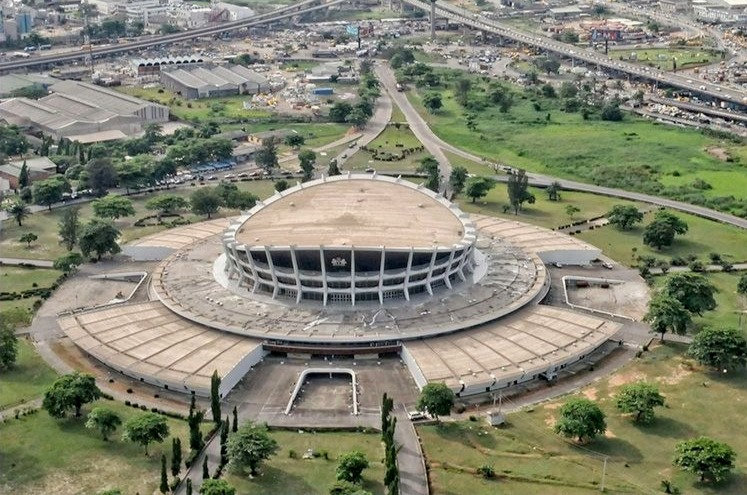

When we talk about remarkable buildings in Nigeria, the National Theatre in Lagos is one building that deserves attention.
Located in Iganmu, Lagos, the building is known for its distinctive shape and its important role in Nigeria’s cultural history.
The construction contract was signed in 1973, and the theatre came into use in 1975. It later played an important role during FESTAC ’77, the Second World Black and African Festival of Arts and Culture.
But beyond its history, what makes this building an interesting architectural case study?
The Architecture Behind the Building
The National Theatre was inspired by the Palace of Culture and Sports in Varna, Bulgaria. Its distinctive exterior gives it a strong identity, making it one of the most recognisable architectural landmarks in Lagos.
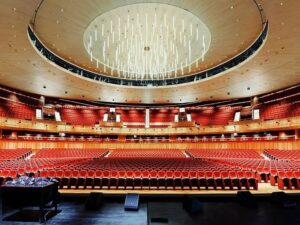
The complex covers approximately 23,000 square metres and stands more than 31 metres tall. It was designed as a multipurpose facility for performances, exhibitions, film shows, conferences and other cultural activities.
This shows that architecture is not only about creating an attractive building. It is also about designing spaces that serve different purposes.
More Than Just a Building
The National Theatre was established to preserve, promote and celebrate arts and culture in Nigeria.
Over the years, it has provided spaces for drama, music, exhibitions and other cultural events. Its role during FESTAC ’77 helped establish its place in Nigeria’s cultural history.
The building reminds us that architecture can become part of a nation’s identity.
A well-designed public building can serve its users while also preserving memories and bringing people together.
The Architecture Behind a Nigerian Landmark
What Can We Learn From This Building?
The National Theatre offers important lessons for architects, engineers and construction professionals.
The theatre underwent extensive renovation, and in 2025 it was officially recommissioned and renamed the Wole Soyinka Centre for Culture and the Creative Arts.
What This Means for Blue Iroko
At Blue Iroko, we believe that every building has a story to tell.
From the design concept to construction, maintenance and renovation, buildings require thoughtful planning and a clear understanding of their purpose.
The National Theatre reminds us that successful architecture goes beyond appearance. It combines functionality, creativity, cultural relevance and long-term value.
Blue Iroko — Building Ideas. Creating Solutions.
We explore architectural designs, building practices and construction ideas that can inspire better decisions in the built environment.
What do you think makes a building truly iconic: its design, its purpose or its history? Share your thoughts in the comment.