Blogs
What's New Trending

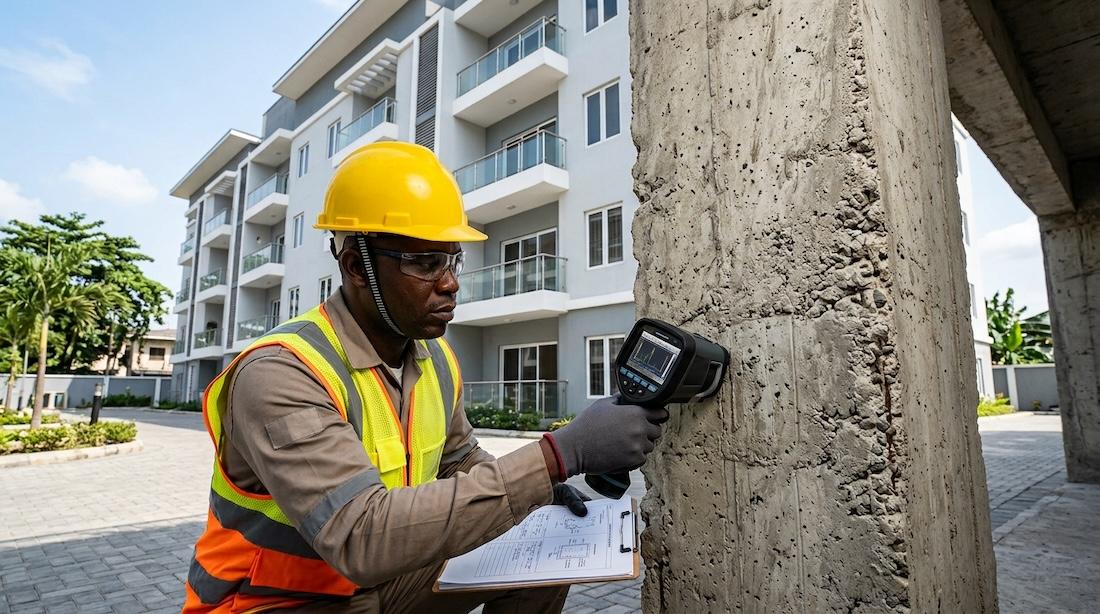

When we talk about problems affecting buildings and construction in Nigeria, one issue that is sometimes overlooked is Poor Maintenance.
Many people pay a lot of attention to constructing a house, office, school or other building, but after the building is completed, they may not give enough attention to maintaining it. The truth is that a building needs regular care to remain safe, strong and useful.
Poor maintenance can start with something as simple as a leaking roof, a small crack in a wall, an electrical fault, blocked drainage or a leaking pipe. When these problems are ignored for a long time, they can become bigger and more expensive problems.
What Is Poor Building Maintenance?
Poor building maintenance simply means not taking proper care of a building after it has been constructed.
Maintenance involves regularly checking the building, repairing damaged parts, cleaning drainage systems, fixing leaks, checking electrical and plumbing systems and making sure that the building remains in good condition.
For example, if a roof starts leaking and the owner refuses to repair it, water can gradually damage the ceiling, walls and other parts of the building. What started as a small problem can eventually require a much bigger repair.
Common Signs of Poor Maintenance
There are several signs that a building is not being properly maintained. Some of them include:
These signs should not simply be ignored. They may be warnings that the building needs attention.
Why Do People Neglect Building Maintenance?
There are different reasons why building maintenance is sometimes neglected.
One major reason is cost. Some property owners do not want to spend money on repairs, even when the problem appears small.
Another reason is the lack of regular inspection. If nobody checks the building, some problems may continue unnoticed until they become serious, which would be very bad at that moment and may lead to disaster.
Some people also believe that maintenance is only necessary when something completely breaks down. This is not the best approach. It is usually better to identify and fix a problem early.
The Effects of Poor Maintenance
Poor maintenance can affect both the building and the people using it.
1. It Can Make Repairs More Expensive
A small problem can become a big problem when it is ignored.
For example, repairing a small roof leak may be easier and cheaper than replacing a badly damaged ceiling and repairing water-damaged walls later.
2. It Can Reduce the Value of a Property
A building that looks neglected may become less attractive to tenants, buyers and visitors.
Cracked walls, leaking roofs, damaged paint and poor drainage can all affect the appearance and value of a property.
3. It Can Affect Safety
When defects are ignored for a long period, they can contribute to the deterioration of building components.
This is especially important when there are serious cracks, corrosion, foundation problems or other signs that may affect the structural condition of the building. In such situations, a qualified professional should inspect the building.
4. It Can Create Health Problems
Poor maintenance can lead to dampness, mould, stagnant water and poor sanitation.
These conditions can make a building uncomfortable and may create health concerns for people living or working there.
What Do the Statistics Say About Building Problems in Nigeria?
Statistics show that building problems in Nigeria are not something that should be taken lightly.
A study published in the Journal of Design and the Built Environment examined 60 cases of building collapse in Nigeria using historical data from 1974 to 2006. The study found that **poor maintenance culture contributed about 7% of the building collapses examined. Other factors included poor-quality materials and workmanship at 52%, excessive loading at 20%, design errors at 15% and natural phenomena at 7%.
The 7% figure does not mean that 7% of all building collapses in Nigeria today are caused by poor maintenance. Rather, it shows that poor maintenance was identified as a contributing factor in the historical cases examined by that study.
More recent research also shows how serious the wider building-collapse problem remains. A 2026 study examined 111 validated building-collapse events in Nigeria between 2015 and 2025. The researchers recorded 321 deaths and 344 injuries from those incidents. The study identified structural defects, poor construction techniques and inferior materials among the major identifiable triggers.
These figures show why buildings should not simply be constructed and forgotten. Regular inspection and maintenance can help identify deterioration before it develops into a much more serious problem.
How Can Blue Iroko Help Solve Poor Maintenance?
This is where Blue Iroko Nig Ltd can play an important role.
Blue Iroko can help property owners move from simply reacting to problems to preventing problems before they become serious.
1. Regular Building Inspection
Blue Iroko can help property owners inspect their buildings regularly.
Instead of waiting until a major problem develops, inspections can help identify issues such as cracks, roof leaks, drainage problems, dampness and other defects at an early stage.
2. Preventive Maintenance
One of the best ways to deal with poor maintenance is to prevent problems before they become serious.
Blue Iroko can help property owners develop maintenance schedules for their buildings. This can include regular checks of roofs, drainage systems, plumbing, electrical installations and other important building components.
3. Quick Repair of Defects
When a problem is discovered, it should be dealt with quickly.
A small roof leak, damaged pipe or blocked drainage system may appear insignificant, but delaying repairs can allow the problem to spread.
Blue Iroko can help property owners address such defects before they become larger and more expensive problems.
4. Facility Management
Facility management is an important part of maintaining a building.
It involves making sure that the building and its facilities continue to function properly, efficiently and safely.
For offices, estates, schools, commercial buildings and other properties, proper facility management can help ensure that maintenance is carried out regularly instead of only when something breaks down.
5. Professional Assessment
Not every building problem can be solved by a simple repair.
Serious cracks, structural deterioration, foundation problems or other major defects may require professional assessment.
In such situations, qualified professionals should inspect the building and recommend the appropriate solution rather than relying on guesswork from any skilled personnel.
6. Quality Control From the Beginning
Good maintenance actually starts from the construction stage.
A building constructed with proper design, suitable materials and good workmanship is more likely to perform well over time.
This means that companies involved in construction should not only focus on completing projects but should also pay attention to the quality of the work being delivered.
What Can Property Owners Do?
Property owners also have an important role to play in maintaining their buildings.
They should not wait until something breaks down before taking action. Regular inspections should become part of owning a building.
Property owners should:
Most importantly, maintenance should be seen as an investment rather than an unnecessary expense.
Poor maintenance is a problem that can gradually affect the condition, appearance, value and safety of a building.
A building does not stop needing attention simply because construction has been completed. Regular inspection, timely repairs and proper maintenance can help buildings last longer and remain useful and safe for the people who use them.
The statistics also show why this issue should not be ignored. A historical Nigerian study found poor maintenance culture in 7% of the 60 building-collapse cases it examined, while a more recent 2026 study recorded 111 validated building-collapse events between 2015 and 2025, resulting in 321 deaths and 344 injuries.
Poor maintenance may not be the only cause of building failure, but it is one area where property owners, construction professionals and facility-management companies can take practical action.
For a company like Blue Iroko, regular building inspections, preventive maintenance, facility management, professional assessment and quality-focused construction can help property owners protect their buildings and investments.
A building is not truly finished when construction ends. Proper maintenance is what helps keep it safe, functional and valuable for years to come.