Blogs
What's New Trending

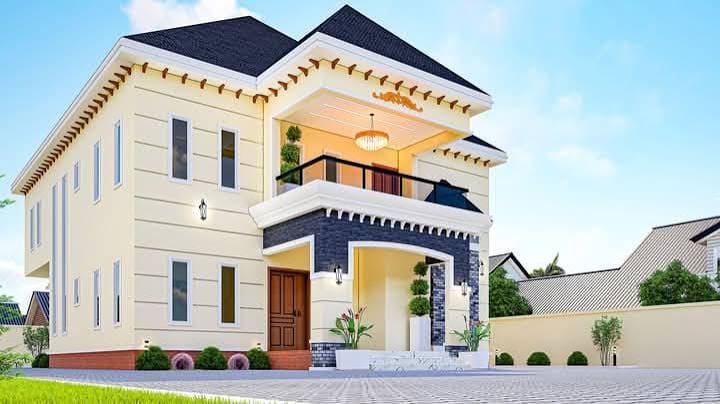

When designing a building, many people focus on its beauty, size and finishing. However, one important factor that should not be ignored is the climate.
Nigeria experiences different weather conditions, including high temperatures, heavy rainfall and periods of intense sunshine. These conditions can affect how comfortable a building is and how well it performs over time.
Climate-responsive architecture is an approach that considers the local weather and environment when designing a building. The aim is to create spaces that are comfortable, practical and suitable for their location.
Why Climate Matters in Building Design
A building that does not respond properly to its environment may become too hot, poorly ventilated or difficult to maintain.
For example, a house with large windows exposed to direct sunlight may experience excessive indoor heat. A building without proper roof overhangs or drainage may also face problems during heavy rainfall.
These challenges can increase the need for air conditioning, raise electricity costs and make the building less comfortable for its occupants.
Research on Nigerian buildings has identified building orientation, shading and natural ventilation as important strategies for improving indoor comfort and reducing cooling needs.
DESIGNING FOR NIGERIA’S CLIMATE
Why Good Architecture Must Go Beyond Beauty
How Can Buildings Respond to Nigeria’s Climate?
Architects can use several design strategies to make buildings more suitable for local weather conditions.
The best combination depends on the building’s location, purpose, design and budget. Strategies suitable for hot, humid southern Nigeria may need to be adjusted for the drier conditions found in parts of northern Nigeria.
The Benefits of Climate-Responsive Architecture
Designing with the climate in mind offers several benefits.
Climate-responsive design does not mean that every building must look traditional. Modern buildings can still be beautiful while using practical strategies that respond to their environment.
What This Means for Blue Iroko
At Blue Iroko, we believe that good architecture should be more than attractive designs and expensive finishing.
A building should suit its environment, serve its occupants and provide lasting value. Considering sunlight, ventilation, roofing, materials and rainfall during the design stage can help prevent avoidable problems later.
For Nigeria, the goal should be to create buildings that combine beauty, comfort, functionality and durability.
Blue Iroko — Building Ideas. Creating Solutions.
We explore architectural designs, construction practices and innovative ideas that can help improve the built environment.
What do you think is the biggest problem with building design in Nigeria: excessive heat, poor ventilation or inadequate drainage? Share your thoughts in the comments.